





Locking Cams Built to Complete the Lock.
The cam is the working latch behind the cam lock. Cobra offers straight and offset locking cams in multiple lengths and configurations to help position the locking point where the application requires it.
Straight or Offset?
The right locking cam depends on where the cam lock sits in relation to the frame, keeper or surface that the cam needs to engage.
Straight Locking Cams
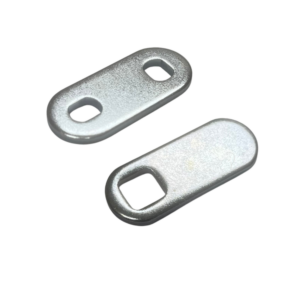
Straight cams extend directly from the lock cylinder to engage the frame, keeper or locking surface without changing the cam's plane.
Offset Locking Cams
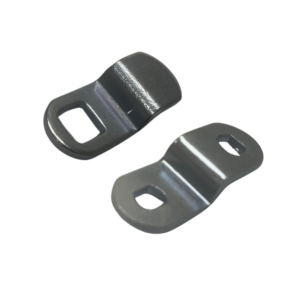
Offset cams incorporate a bend that changes the locking plane, helping extend or reduce the effective reach of the cam-lock assembly.
The Cam Is the Latch.
When the key rotates the cam lock, the locking cam rotates with it. The cam moves behind a frame, keeper or enclosure surface to hold the door or panel in the locked position.
The Lock Cylinder and Cam Work Together
The cylinder controls who can operate the lock. The locking cam determines where and how the lock physically engages the equipment.
That means selecting the correct locking cam is just as important as choosing the correct lock cylinder. Cam length, offset and mounting orientation all affect whether the finished assembly locks correctly.
Simple Reach. Flexible Mounting.
Straight locking cams extend directly outward from the cam-lock cylinder, making them appropriate when the locking surface is aligned with the lock.
Cobra's double-punched straight cams include mounting holes at both ends and in vertical and horizontal orientations, providing multiple ways to position the cam on the lock.
Adjust the Locking Plane
An offset cam incorporates a bend between the lock mounting point and the locking end of the cam. That bend changes where the cam engages the equipment.
Depending on how the cam is installed, the offset can effectively extend or reduce the reach of the locking assembly, giving equipment designers additional flexibility when the locking surface is not directly aligned with the cylinder.
Four Things to Consider
The correct cam depends on where the cylinder is mounted, where the cam must engage and how the equipment is designed to close.
Cam Length
Measure the distance required for the cam to reach the frame, keeper or locking surface.
Straight or Offset
Determine whether the locking surface is aligned with the cylinder or requires the cam to change planes.
Offset Depth
For offset cams, determine how far the locking surface sits above or below the cam-lock position.
Lock Type
Match the cam's mounting hole to the Cobra lock family and cylinder configuration being used.
Multiple Lengths. Multiple Offsets.
Cobra offers a broad range of standard cam dimensions along with custom capabilities for applications that require a different configuration.
Multiple standard lengths for direct locking engagement.
Multiple lengths for applications requiring an offset cam.
Multiple offset depths for adjusting the locking position.
More Ways to Position the Cam
Selected Cobra straight locking cams are double punched with mounting holes at both ends in vertical and horizontal orientations. This gives the installer additional options for positioning the same cam relative to the lock and equipment.
Zinc-Plated Steel Construction
Cobra straight and offset locking cams are manufactured from cold-rolled steel and zinc plated to provide environmental protection for the finished component.
Pair the Cam With the Right Cobra Lock
Cobra locking cams are designed to work with Cobra cam-lock products. The correct mounting-hole configuration depends on the lock family being used.
Selecting the lock and cam together helps make sure cylinder length, cam length, mounting style and locking engagement all work as one assembly.
Lock + Cam + Mounting Hardware
Tell us what you are securing and provide the installation dimensions. Cobra can help identify the lock cylinder, locking cam and supporting hardware needed for the application.
Discuss Your ApplicationStandard Cam Doesn't Fit?
Cobra has custom design capabilities for applications requiring a different cam length, offset or configuration.
Custom Length
Develop a locking cam length around the reach required by the equipment or enclosure.
Custom Offset
Configure an offset to position the locking end of the cam at the required depth.
Application Support
Work with Cobra to identify a standard option or discuss a configuration designed around the application.
Locking Cams for Tubular Locks
Shop straight and offset locking cam options designed for compatible tubular cam-lock configurations.
Shop Tubular Locking Cams →Locking Cams for SB Locks
Shop straight and offset cam options with the larger mounting-hole configuration used for compatible single-bitted locks.
Shop SB Locking Cams →Not Sure Which Cam You Need?
Tell us which cam lock you are using and provide the required cam length, offset and locking position. The Cobra Lock team can help identify a standard locking cam or discuss a custom configuration.